

How to verify site work was completed correctly
A practical guide to confirming recurring site work against the agreed standard, with the preparation, evidence, and review steps that hold up when something is disputed.
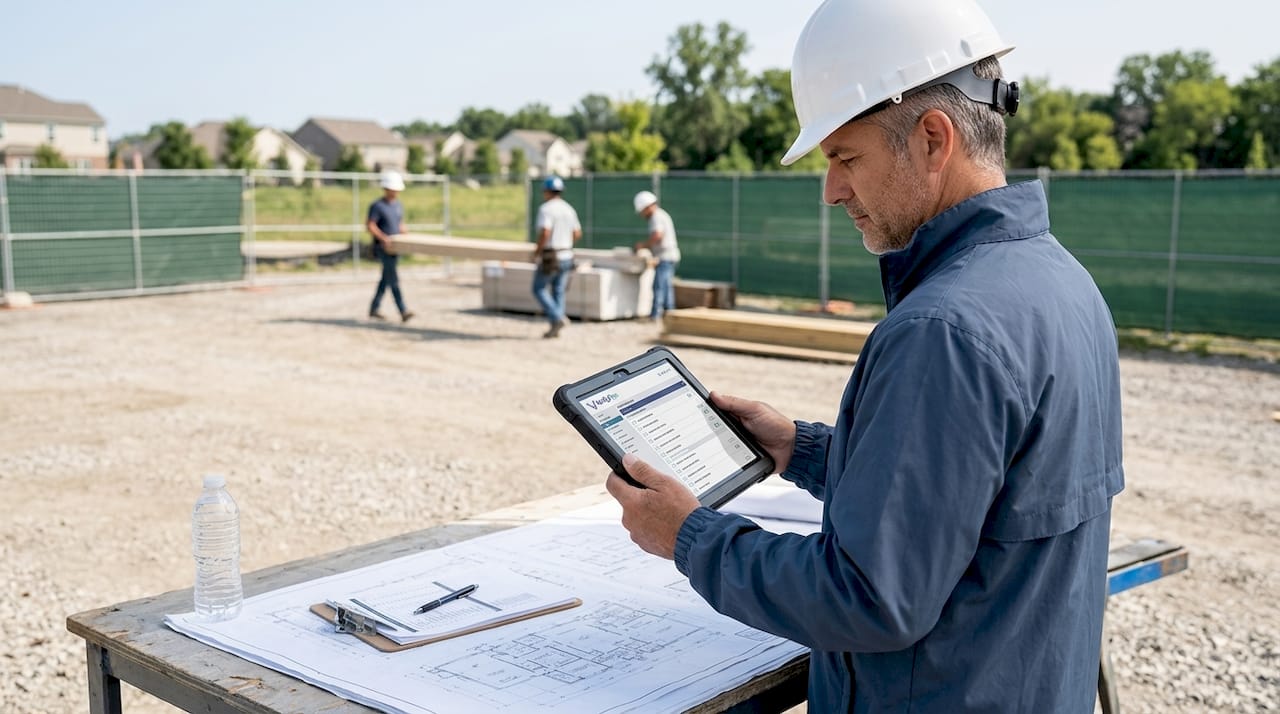
The most reliable way to confirm site work was completed is to compare the work against the agreed site standard and review supporting evidence such as timestamps, location data, photos tied to checklist items, worker notes, and exception records. No single signal proves completion on its own.
You can't be everywhere at once. That's the fundamental problem every operations manager faces when overseeing distributed sites. Finding reliable ways to confirm site work done isn't a paperwork exercise. It's the difference between catching a missed deliverable before a client complaint and finding out about it weeks later during a dispute. This guide covers the preparation, methods, and tools that turn vague "work completed" claims into documented, defensible proof, so you can hold teams accountable without being physically present at every location. For a broader overview of the underlying idea, see what service verification means.
Key takeaways
| Point | Details |
|---|---|
| Preparation determines outcomes | Clear task definitions, digital checklists, and sign-off protocols must exist before work begins. |
| Certified evidence is defensible | Timestamped, GPS-tagged photos with tamper-resistant metadata hold up during reviews and disputes. |
| Timing inspections correctly matters | Final inspections run before work is genuinely complete create unmanageable punch lists and rework cycles. |
| Multiple methods outperform any single one | Combining digital forms, GPS evidence, and structured checklists produces the most reliable outcomes. |
| Verified closure is not visible completion | A task is only truly done when the outcome is confirmed and no further follow-up is required. |
Start with the right tools
Before you can verify anything, you need the right foundation in place. Most verification failures don't happen during the inspection. They happen before work even starts, because the standards, tools, and documentation protocols were never defined clearly enough to measure against.
The core toolkit for any serious site verification program includes three categories of tools.
GPS-stamped photo capture ties visual evidence to a specific place and time. Images should have the coordinates and timestamp burned directly into the photo, not just stored in EXIF data that can be stripped or edited.
Digital job forms and checklists let technicians record completion in real time on a mobile device, with photo attachments, e-signatures, and cloud sync. This eliminates the lag between work performed and work recorded.
Workflow platforms tie everything together, connecting task assignments to completion records and producing reports a manager can review without visiting the site.
| Tool type | Key features | Best use case |
|---|---|---|
| GPS photo capture | Location stamp, timestamp, tamper-resistant metadata | Field service, maintenance, cleaning contracts |
| Digital job forms | E-signatures, photo capture, mobile sync | Multi-step service delivery, inspections |
| Punch list software | Room-by-room tracking, defect logging | Construction, renovation, facility handover |
| Workflow platforms | Task assignment, completion tracking, reporting | Multi-site operations, distributed teams |
Before deploying any verification tool, define what "complete" actually means for each task type. A checklist with ambiguous criteria produces ambiguous results, regardless of how sophisticated the technology is.
Beyond tools, you need documentation standards that everyone follows consistently: standardized templates per service type, clear photo requirements (minimum number, required angles, required subjects), and a defined sign-off protocol that specifies who approves completion and by what deadline.
Step-by-step methods to verify site work completion
Once tools and standards are in place, the actual verification process follows a structured sequence.
- Confirm arrival with GPS check-in. Tie a person to a location at a specific time. This is the first layer of evidence.
- Capture pre-work condition photos. Photograph the existing state of the site or asset. This protects both parties and establishes a clear before-and-after record.
- Complete work against a structured checklist. Each line item should require a response, a photo, or both. This forces systematic coverage rather than relying on memory.
- Run quick verification of critical items. For deliverables with measurable outcomes, build a short list of mission-critical checks that must pass before anything else is reviewed.
- Capture post-work evidence photos. Photograph the completed work from the same angles used in the pre-work photos. Timestamps create a direct, auditable comparison.
- Collect an on-site e-signature. Where possible, get a signature from the site contact confirming the work was performed.
- Sync and submit the completed job form. Submit before leaving the site. This prevents documentation from being completed hours or days later from memory.
- Supervisor review and formal sign-off. A manager reviews the submitted evidence against the defined standards and either approves the job or flags items for follow-up.
Schedule your formal inspection only after all substantive work is genuinely complete. Premature final inspections create unmanageable punch lists and force multiple re-inspections, adding cost and delaying project closeout.
For projects involving client acceptance, add a User Acceptance step before final sign-off. Write the acceptance criteria in plain business language so non-technical stakeholders can actually confirm the work meets their requirements.
Common pitfalls when checking site work completion
Even well-organized operations run into recurring problems when verifying site work. Knowing where the process typically breaks down lets you build safeguards before the problems occur.
- Inspecting too early. A final inspection before work is genuinely complete creates sprawling punch lists and triggers multiple re-inspection cycles.
- Photo evidence without trustworthy metadata. Photos taken on a standard camera can be backdated, edited, or taken anywhere. Without timestamp and location commitments, photos carry little weight in a dispute.
- Skipping user involvement. When the people who use or live with the completed work aren't involved in confirming it, problems surface after handover rather than before.
- Relying on verbal confirmation. A phone call or text saying "it's done" is a claim, not a record. Without documented evidence, you can't defend a dispute or identify a pattern of underperformance at a specific location.
- Ignoring access delay risk. Build access confirmation into your pre-work protocol so delays are flagged early rather than discovered on the day of inspection.
Managers often mistake visible completion for verified closure, causing recurring follow-ups and inefficiency. A task is only truly complete when the outcome is confirmed and no further follow-up is required.
Evaluating verification approaches
No single method works perfectly in every context. The right approach depends on your industry, the complexity of the work, your regulatory environment, and how remote your sites are.
| Method | Pros | Cons | Best fit |
|---|---|---|---|
| Manual inspection | High accuracy, direct observation | Time-intensive, not scalable | Small-scale, high-stakes projects |
| Digital job forms | Real-time data, easy supervisor review | Requires technician compliance | Field service, maintenance contracts |
| GPS-stamped photo evidence | Defensible, tamper-resistant | Requires app and training | Disputes, regulated industries |
| Structured punch lists | Systematic, prevents omissions | Labor-intensive for large sites | Construction, facility handover |
| Outcome-based acceptance checks | Fast, focused on what matters | Limited to measurable outcomes | IT rollouts, repeatable service work |
The most reliable workflows combine at least two methods. GPS-stamped photos paired with digital job forms give you both location-tied evidence and a structured record of what was done. Adding a formal sign-off, whether a client e-signature or a written acceptance document, closes the loop and creates verified closure rather than visible completion.
My take on what actually makes verification work
I've seen operations teams invest heavily in verification tools and still end up with the same disputes, the same missed items, and the same frustrated clients. The technology isn't usually the problem. The problem is a fundamental confusion between visible completion and verified closure.
When I talk to managers struggling with this, the pattern is almost always the same. Someone submits a photo of a finished job, the manager glances at it and marks it done, and a few days later a client calls to report something was missed. The photo showed the work looked complete. It didn't confirm the outcome was achieved.
Verification only works when it's tied to standards, not just tasks. Knowing that a technician visited a site and took photos tells you very little. Knowing that a technician visited, completed every item on a defined checklist, captured before-and-after evidence against specific acceptance criteria, and got a sign-off from the site contact tells you everything.
The other thing I'd push back on is the idea that thorough verification slows operations down. In my experience, the opposite is true. Teams that invest in real-time digital evidence and structured sign-off spend far less time on disputes, rework, and follow-up visits than those relying on informal confirmation. Speed comes from getting it right the first time, not from skipping the documentation.
The managers who get this right treat verification as part of the work itself, not an administrative burden added on top of it. When your operations dashboard shows real-time completion status with attached evidence, you stop chasing updates and start managing by exception.
— Jermaine, VerifyOps
How VerifyOps makes site verification automatic
VerifyOps was built for the problem this article describes: confirming service quality at sites where constant supervision isn't practical. The platform turns your service standards into verifiable work processes, so every completed job produces transparent evidence tied directly to what was supposed to happen.
GPS-stamped check-in and check-out, digital job forms, and standard-driven verification replace the patchwork of spreadsheets and text messages most operations teams rely on. Exceptions are flagged automatically, recurring issues at specific locations are surfaced before they become patterns, and clients get verification reports they can actually trust.
You can explore the customer portal demo to see how clients review completed work, or walk through the full operations workflow to understand how standards connect to evidence at every site.
FAQ
What are the most reliable ways to confirm site work done?
The most reliable approach combines GPS-stamped timestamped photos, completed digital job forms with e-signatures, and a formal sign-off from a site contact or client. Multiple methods together produce defensible, audit-ready records.
How do I verify site work remotely without visiting the site?
Require technicians to use GPS-stamped photo capture and digital job forms that sync in real time. Visible GPS-stamped photos tied to a completed checklist give remote managers the same factual record they would get from a physical inspection.
What is the difference between visible completion and verified closure?
Visible completion means the work appears finished. Verified closure means the outcome has been confirmed against defined acceptance criteria and no further follow-up is required. Mistaking one for the other is a leading cause of recurring disputes.
How can I prevent disputes over whether site work was completed?
Use GPS-stamped photo evidence with reliable metadata and pair it with a client or site contact e-signature collected at the time of completion. There's no ambiguity about what was delivered and when.
When should I schedule a final inspection?
Only after all substantive work is genuinely complete. Running inspections too early creates unmanageable punch lists and forces multiple re-inspection cycles.